First of all let me thank everyone who had like my previous blogs and subscribed. It’s always nice to know people are reading and are interested. SO thank you most sincerely.
Now for today.
“AI is going to take over the world.” Have you heard that one before? Probably, as it’s now become common to hear how AI is going to take over jobs, destroy the art world, decide for us, even kill us. I won’t get into the politics of AI and its many issues. In this blog, I am merely going to express my view—yes, my view; you do not have to agree with me—of what I think AI is to the arts.
Let me first start with one simple fact: I am no expert, but then who is when it comes to AI? If you had spoken to me just last year, you would have found that I wasn’t even using Chat GPT or any type of AI. Most people around me were, and they were talking about it and how they were scared of its implications. I didn’t even think it necessary to check it out at the time.
It was a personal choice, based primarily on the fact that AI was something I knew would materialize eventually and would become available to the masses. It has been with us for years, whether we recognize it or not. Machines have been learning from us, and the data they have been gathering and learning from has been influencing us for years. Algorithms, whether we like to define them or not, are one such form of artificial intelligence that has been influencing our choices and trends. Yet it hasn’t destroyed our lives or blown up the world.
Anyway, my choice was purely because I wanted to wait and see what the trends brought to us before I started experimenting with its capabilities.
AI, in the short time I have used it, has shown itself to be anything but intelligent. Indeed, AI provides remarkable results, opens up new avenues, and does things in seconds which might take us hours or even days to do. But that is the one point we must realize: it does what we could and can do, just that it does it faster.
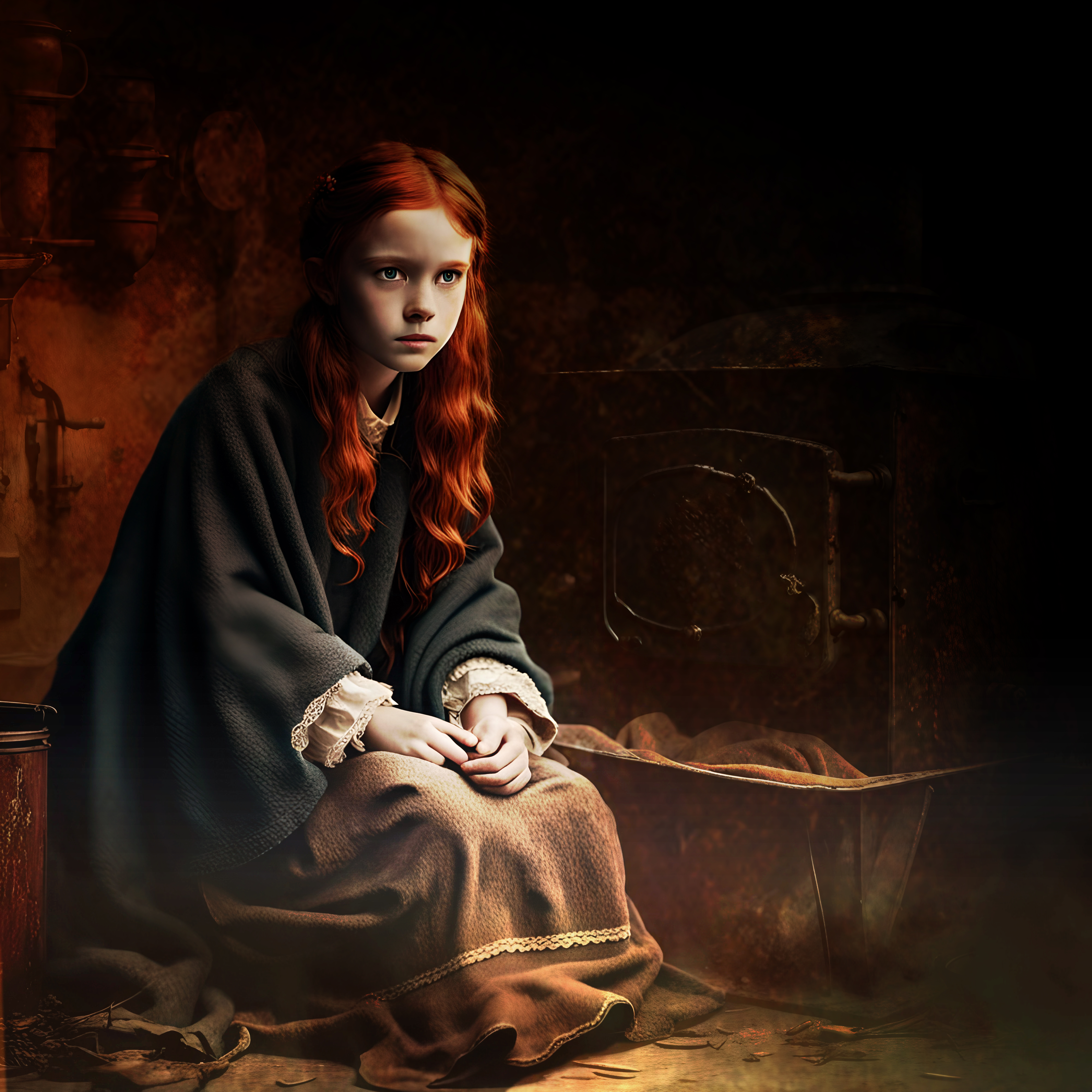
Actually, if I were a teacher and AI was my student, it would probably not be at the top of the class because the number of mistakes it makes is remarkable for a supposedly intelligent system. Three arms, two right eyes, bad merges, overuse of repetitive images, and a tendency to follow trends make works, especially creative works, anything but original after multiple uses.
The more you learn and the more it learns from you, the better it gets, but at the end of the day, it has to learn from you and be prompted by you to get to the levels you wish it to. So in effect, what I have found about AI is that, at the moment, it is not something which will take over anything.
Importantly, AI has provided something which few wish to discuss openly or mention when debating about AI. As a creative, what it does provide is a resource—an incredible, open resource that adds to the resources available. Agencies, artists, and creatives tend to look for resources from which to work or get inspiration. We look at artworks to learn. We seek other artists to learn from them and evolve from what we see and learn. If anything, AI has opened a new door to resources that were not available before.
Yes, the marketplace has suddenly become not smaller, but wider, offering a smaller share to everyone. AI, you could say, is what every artist who actually believes that no artwork is worth a million pounds or the price of a hospital wing has wanted to see but could never get to produce because our own livelihoods could be diminished. Elitism could very well become something of the past or take a totally new form, but with AI, a broader and wider creative community will emerge.
The person who could not draw but was creating images in their heads all the time might be able to bring their visions to reality. The person who could draw but cannot put a sentence together because written language was abstract to them could write a book through their images. The opportunities are limitless, depending on what services you are using and what you may want to do.
Indeed, there will be those who misuse the resources and create things that are harmful or meant to harm or disrupt. There will be those who lie and say that they painted something themselves when, in fact, they have never picked up a brush. That does not mean that the use of AI is wrong; it is the person using it who is wrong, and that is up to the politicians and lawmakers to regulate and decide upon.
I understand when I see certain platforms and groups saying that they will never accept AI because it undermines their art community. Fear has always existed when something new emerges. Fear of change. Fear of changes which will undermine, not the creative process of the art, but the economics and the status of the arts.
If creators produce works that catch the eye and have people admiring new creative processes created by a multitude of people, masses, whole communities, and not just one single person or small group of people, then the elitism of the art world suddenly becomes something of the past. The accounts of certain artists will be significantly reduced, and while every artist would not like to see this happen because we believe that maybe one day it could be us earning those tens of thousands, hundreds of thousands, or millions, it is something we have all in one way or another wished.
While AI will make it easier for market values to be greatly reduced, it will not replace the creative. AI learns from the creatives, and it needs the unique creativity of individuals to develop further. After all, AI learns from what has been done or what people think could be done. It makes decisions of its own, and if it doesn’t yet, it will one day, but those decisions are based on what it is taught. Without someone teaching it, it will eventually become stagnant.
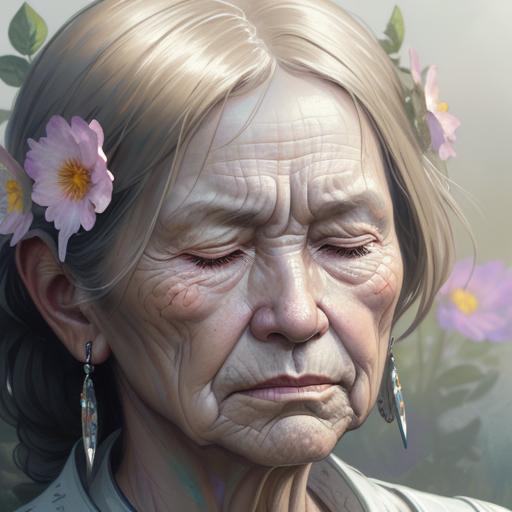
AI is like a child. If the mother abandons the child in the wild, instinct will provide enough to maybe allow the child to survive, but it will take a lot of time for it to learn without some form of input to educate it. While a child who stays with its mother—and I use mother because it’s the traditional form to use since it could just as well be the father—will learn more and faster because the mother is teaching and educating it. When the mother finds she cannot teach it much more, or enough, the schools will, the training courses will, the employers will.
This is the same with AI. The mother in this case is humanity. It will learn from human creativity. While it’s learning, what it is also doing is sharing. It is this sharing that I believe will take the creative world to new heights because it opens the doors to the masses in a bigger way than ever before.
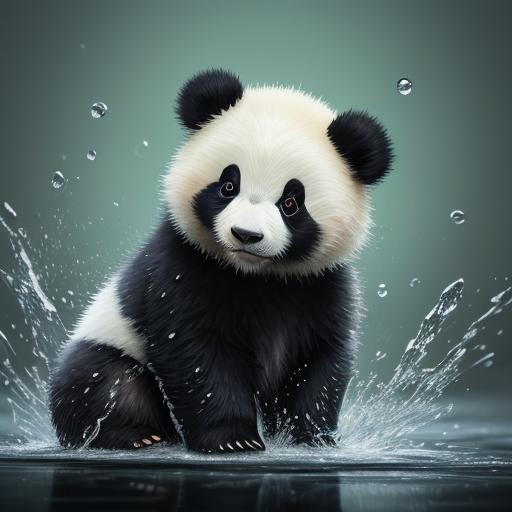
The artist will face one of its biggest challenges: the fact that it will need to adapt and develop faster if it is to keep apace. Knowing how to pick up a pencil and use it, or lifting brushes and putting paint to canvas will not necessarily be enough if you wish to make a living from the arts. The art world will be challenged to produce and think at higher creative levels, not because AI is the challenger, but because AI will be the provider to enhance the opportunities for those creatives who do exist but could not find a path into developing their creativity.
It won’t be enough to paint, it won’t be enough to draw perfectly, or spill out some of the abstract, sometimes obscure commentary over works of art which are just plain elitism talking to sound important. Already in recent decades, especially since the digital world started to establish itself firmly into our society, the arts have broadened their audience and have a bigger and wider community to speak to and attract interest. AI will continue to broaden this audience to the point that the arts will become like the mass media, available to all, open to all, and used by all, in one form or another.
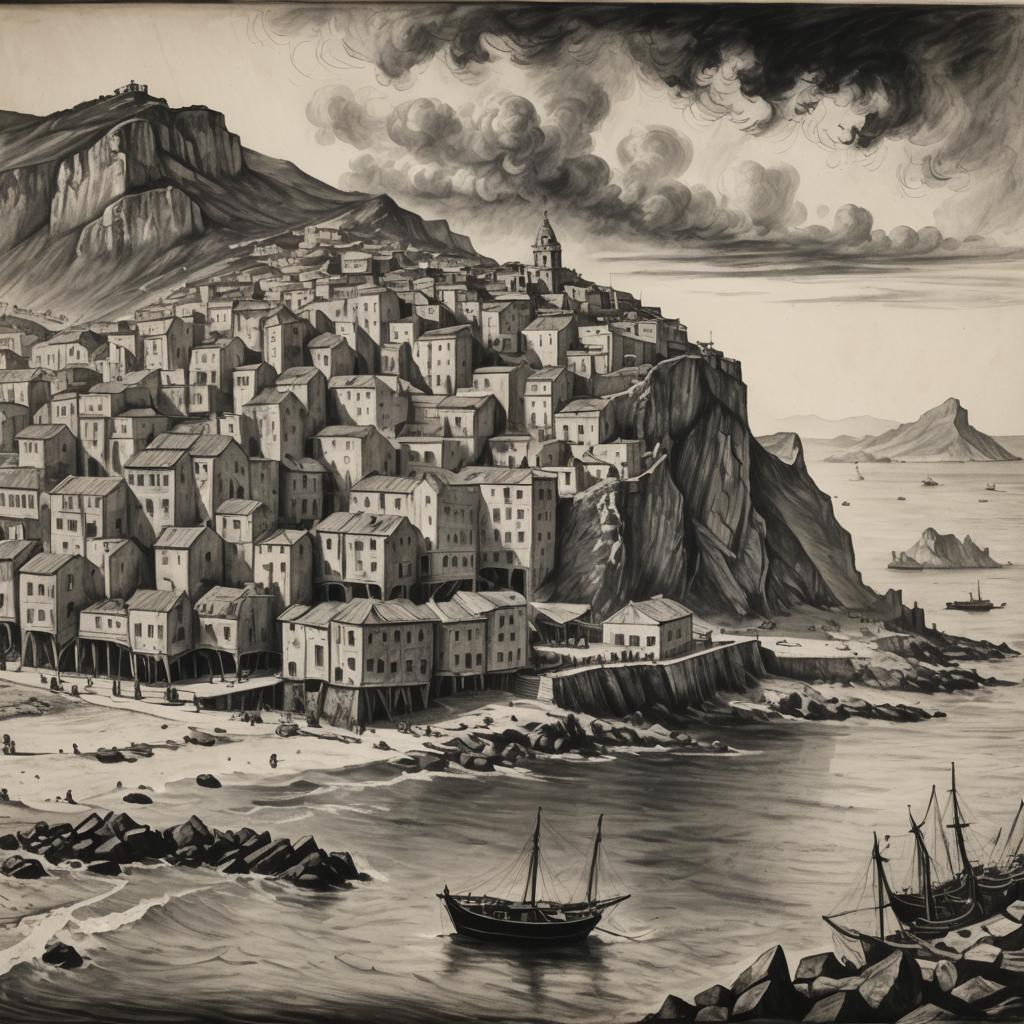
It is something which will cause fear among many, and rightly so if your immediate livelihood depends on things staying as they are. But like many changes which are feared, it is not necessarily the end of the world; it might just be the beginning of a new era to adapt to. This is why I believe that embracing AI is far more important than trying to close doors we know we will never close. AI is here to stay, and it will continue to develop and form part of our lives.
Closing the doors to it, not learning what it does, or trying to understand its functions and capabilities merely closes the door to making it work for us. Humanity has a tendency to adapt to things and situations. When man went from hunter to gatherer, when the first wheel rolled, when the first horse pulled a cart to when the first car replaced the horse, or even when the first man flew, switched on a light, or keyed in the first words on a computer keyboard.
While all of these things were dramatic changes which some wished to stop, none of them has stopped us from adapting and making their use our own for the better. Yes, sometimes for the worse because, as humans, we tend to abuse the use of things.
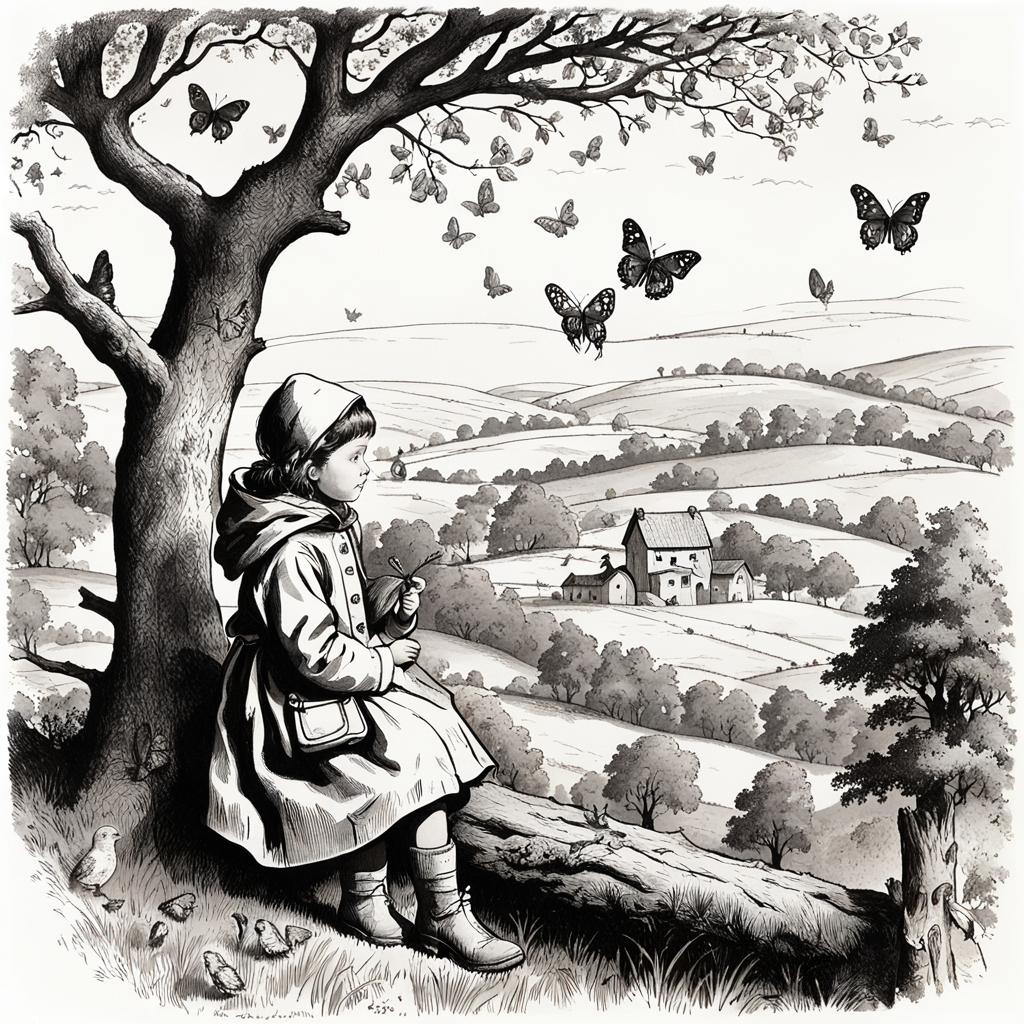
Similarly, AI in the arts should be seen as a tool, a resource—not to cheat ourselves away from creating our own original arts and letting a machine do it instead, but as a way of adding to the tools we already have to create new things, to be better, to improve, develop, and learn. How many times have you had an idea but no matter how much you try, you cannot put it down on paper? You have the key points for it in your head. Sometimes you need that extra push and help to put those thoughts together, to visualize it and make it come together. Key points are exactly that: prompts. While AI might be able to put some of it together, it won’t necessarily give you what you are thinking. In effect, your mind is probably a few hundred million steps ahead of what AI could do.
It is therefore about learning what tools are available and understanding them to make the most of them. In the same way that painters used the best paints or searched for the best brushes, the new arts, of which AI will become a part, will also need to learn how to find the best tools.
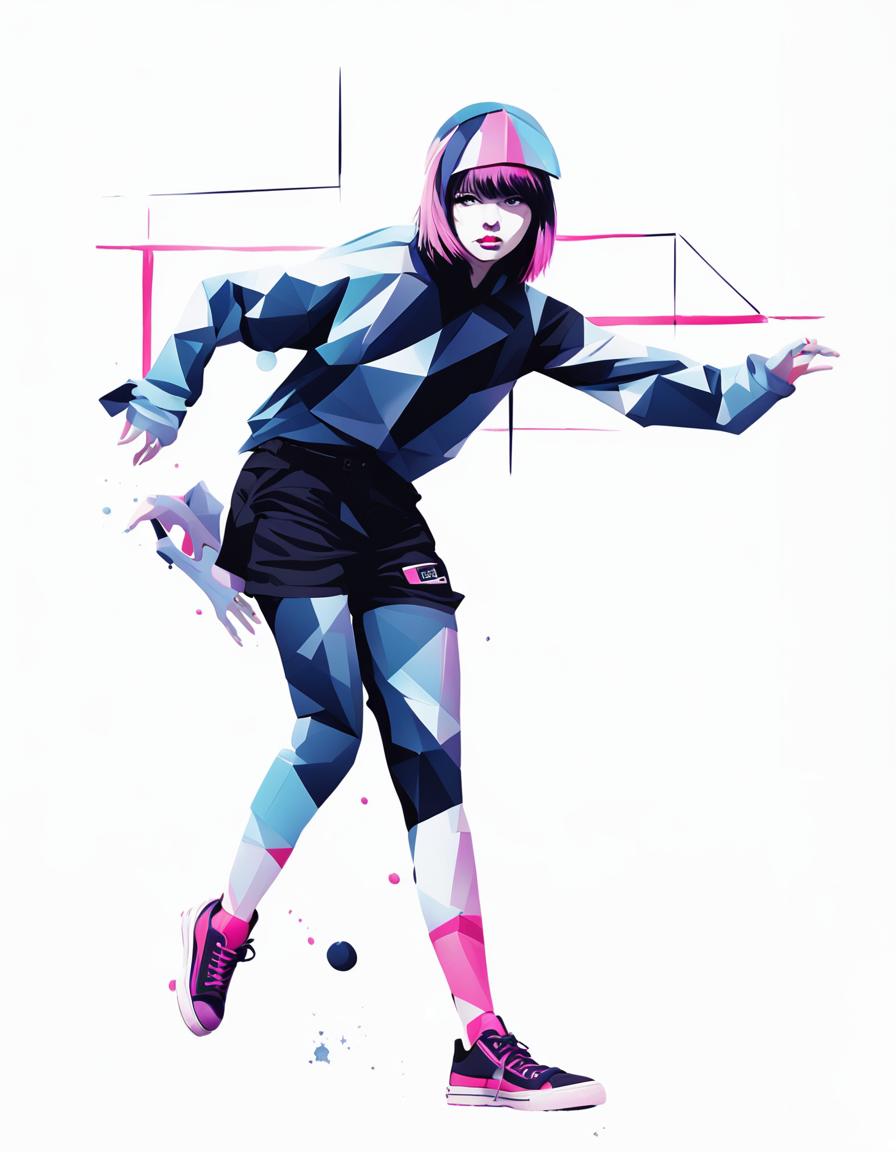

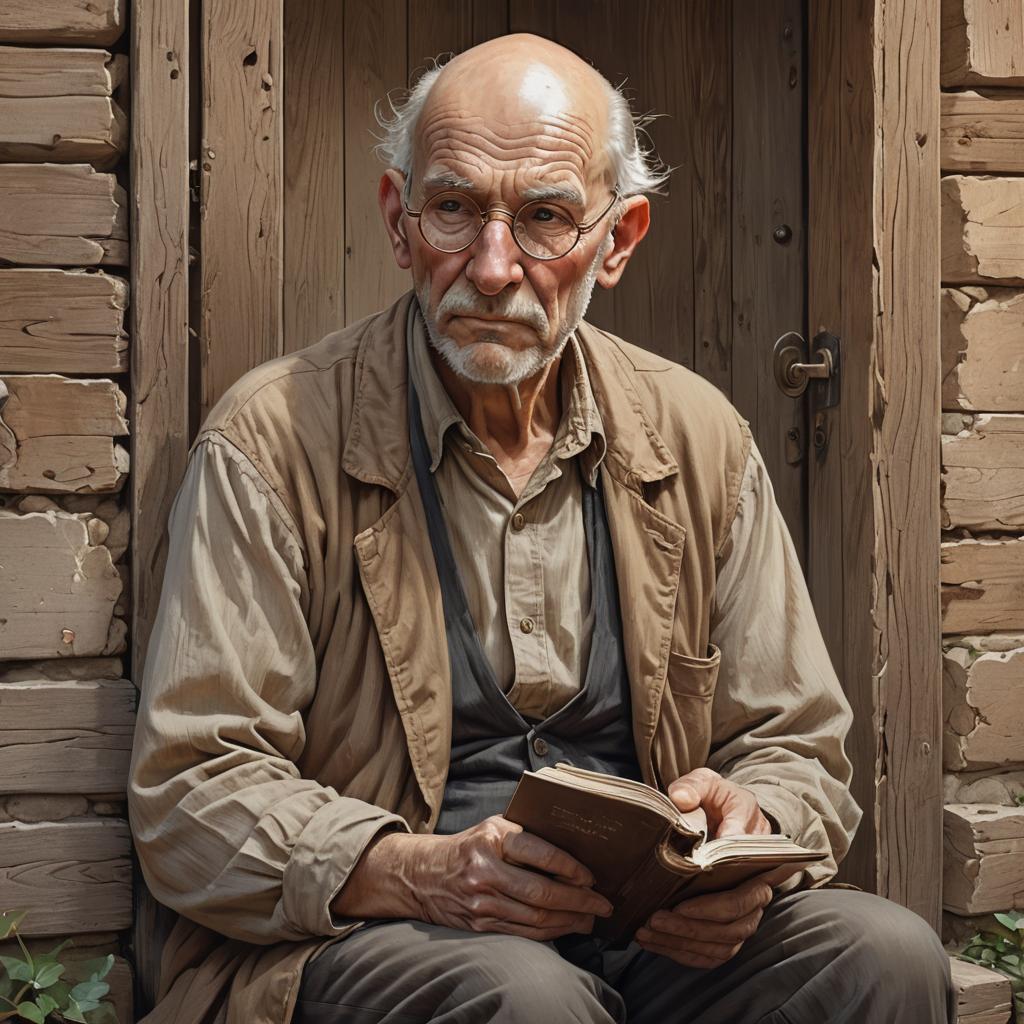
“All images included in these blog are created from AI generated images. The first image at the start of the article is a composite taken from numerous AI generated images and mixed, merged, blended, cut, burnt, textured through photoshop and post processed until I ended up with what required. In the same way as using royalty free images and resources from image galleries to produce a finished piece.
The others across the rest of the article are all directly created via AI.”
Some might say that there is still something lacking in my essay. A reviewer might point out:
- Clarity and Conciseness: My essay is lengthy and some points are repeated. Streamlining my arguments and avoiding repetition could make my essay more concise and impactful. For example, the points about AI being a resource and needing human input are made multiple times.
- Structured Sections: Breaking down the essay into clear sections with subheadings (e.g., Introduction, Personal Experience, Potential Benefits, Challenges, Call to Adaptation, Conclusion) can help organize my thoughts and guide the reader through my argument more effectively.
- Addressing Counterarguments: While I mention fears and misuse of AI, directly addressing and refuting specific counterarguments can strengthen my essay. For example, I could elaborate on concerns about AI-generated art devaluing traditional art forms or the ethical implications of AI in art.
- Concrete Examples: Including specific examples of how artists are currently using AI successfully can add depth to my argument. Mentioning well-known projects or artists who have embraced AI could make my points more tangible.
- Final Thoughts: The conclusion could be more defined. Summarizing my main points succinctly and ending with a strong statement about the future of AI in the arts and my stance on embracing it could be beneficial.
However, I choose to maintain my original structure and narrative. This decision emphasizes that, even with AI and external input, the individual artist retains the final say in their creative process. Just as I choose how to present my ideas, artists and creatives can choose how to incorporate (or not incorporate) AI into their work. AI is a tool—how we use it, and whether we take suggestions from it or others, remains our prerogative. This essay, in its current form, reflects my voice and my choices, illustrating that in the age of AI, individuality and personal agency in the creative process are still paramount.
 stephenignacioart
Leave a comment